

Mayo Urges FCC to End California’s Copper Landline Mandates
Posted in News
In reply comments submitted to the Federal Communications Commission (FCC), executive director of the Georgetown Center for Business and Public Policy John Mayo argues that federal regulators should preempt California’s legacy landline rules, clearing the path for investments in modern fiber and wireless networks.
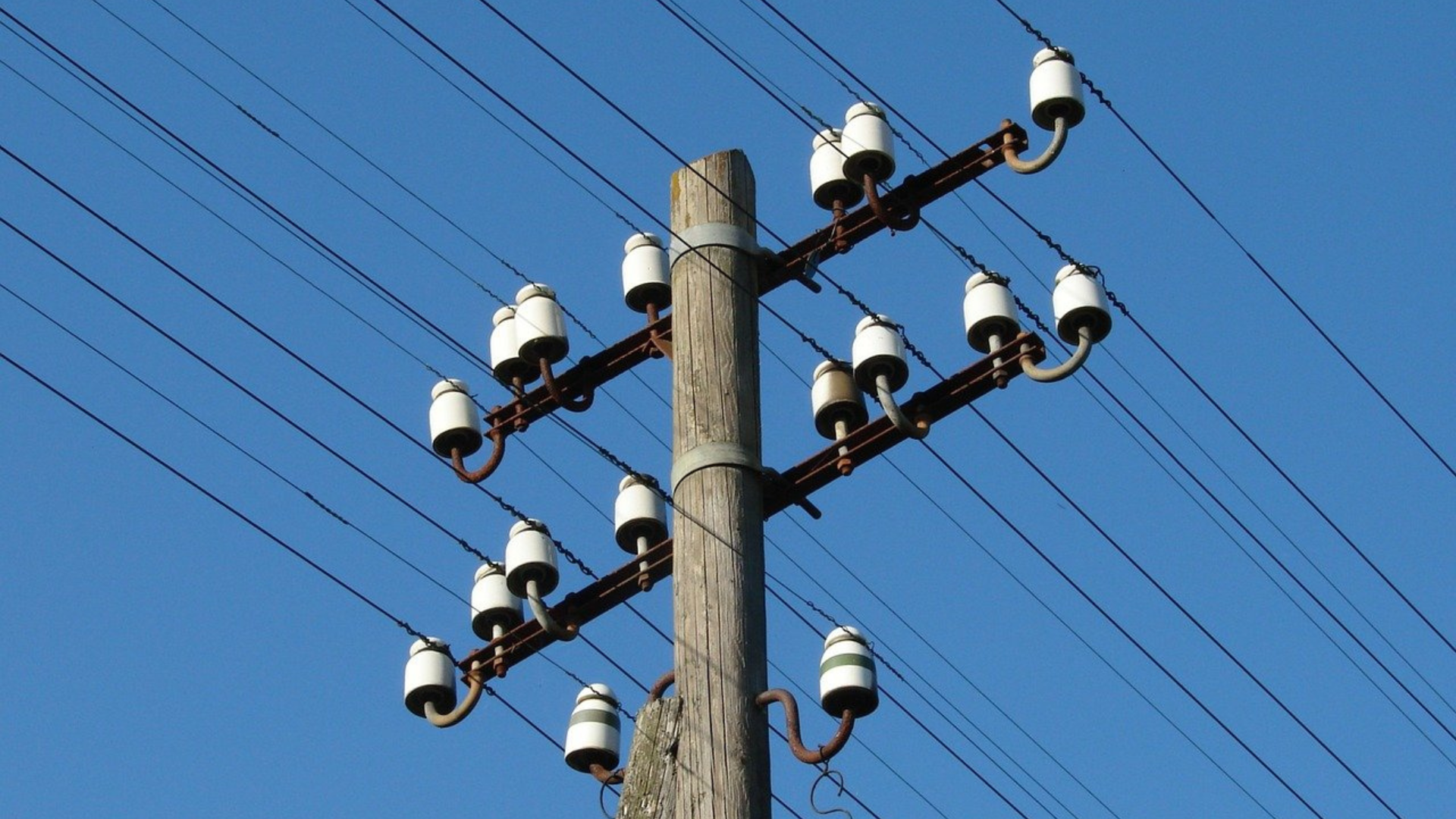
The filing stems from a May 2026 petition by AT&T asking the FCC to override California’s Carrier of Last Resort (COLR) rules, which currently force the company to maintain legacy copper wirelines — known in the industry as “Plain Old Telephone Service” (POTS).
While bypassing the legal question of federal authority over state regulation, Georgetown economist Mayo addresses the economic merits, concluding that forcing carriers to maintain aging copper infrastructure harms consumers and delays nationwide network modernization.
Key Takeaways from the Filing
1. Regulations Left Over From the Monopoly Era
- Outdated Safeguards: COLR rules were established when local phone service was a monopoly, requiring strict regulation to prevent price gouging and ensure basic service availability.
- The Power of Competition: Today’s post-monopoly market features competing wireline, fixed wireless, mobile, cable-delivered Voice over Internet Protocol (VoIP), and satellite providers. This competition provides strong financial incentives for firms to deliver high-quality services without heavy-handed state mandates.
2. A $1 Billion Annual Capital Drain
- Diverted Resources: Complying with California’s COLR regime costs AT&T approximately $1 billion per year.
- Impact on Innovation: Mayo notes that every dollar locked into maintaining legacy copper lines is a dollar taken away from investments in high-speed fiber networks, 5G, and advanced IP-based services.
- Asymmetric Mandates: The current regime singles out AT&T as the sole provider held to COLR obligations while enforcing obsolete requirements, such as offering free printed white page phone directories.
3. Consumers Have Already Expressed Preferences
- Plummeting Landline Usage: Nationwide, retail switched landline access fell by an annual compound rate of 17.9% between June 2022 and June 2025.
- Minimal California Footprint: Traditional copper POTS now serves only 3% of residential households in AT&T’s California territory.
- Ubiquitous Alternatives: Approximately 99.9% of locations in AT&T’s California service territory have access to at least two national wireless providers, offering service that meets or exceeds legacy landlines.
4. Emergency and Remote Coverage Concerns Addressed
- Satellite and Wireless Expansion: Cell tower sites nationally grew from 104,000 in 2000 to 448,000 by late 2024. Furthermore, direct-to-device satellite phone options (such as T-Satellite and Starlink) are providing connectivity even in remote areas outside terrestrial cell tower reach.
- Disaster Resilience: Fiber and wireless networks are faster and less expensive to restore after natural disasters than copper wire lines. Cell operators are also required to maintain backup generators and battery storage to preserve emergency 9-1-1 service during power outages.
- Federal and State Funding: Public investments — including $1.86 billion allocated to California through the federal Broadband Equity, Access and Deployment (BEAD) program — are actively building high-speed internet infrastructure in unserved rural regions.
Bottom Line
Mayo’s analysis concludes that retaining rigid monopoly-era rules in a competitive landscape hurts consumers. As their behavior shifts decisively toward modern wireless and fiber technologies, regulatory policy must adapt to allow capital to flow into next-generation communications infrastructure.